Introduction
As the world moves rapidly toward transparency in sustainability, Canada has taken a significant step with its own sustainability disclosure framework— the Canadian Sustainability Disclosure Standards (CSDS). Developed by the Canadian Sustainability Standards Board (CSSB), CSDS 1 and CSDS 2 aim to bring structure, comparability, and credibility to how Canadian companies report…
When it comes to ESG, most companies are focused on measuring the now —carbon footprints, diversity metrics, water usage. But in 2025 and beyond, the real differentiator isn’t just what you measure— it’s how well you anticipate the future.
That’s where scenario analysis comes in.
What Is Scenario Analysis?
Scenario analysis and planning…
As ESG reporting moves from a voluntary exercise to a regulated, investor-critical function, sustainability teams are facing increasing pressure to deliver disclosures that are accurate, comprehensive, and aligned with evolving global standards.
Frameworks like GRI 2025, ISSB’s S1/S2, and other emerging mandates demand more than just well-meaning narratives—they require structured data, comparability, and…
A few years ago, if you said “sustainability reporting” at a board meeting, you'd probably get a few nods and a polite “we’ll look into it.” Fast forward to today—and it’s at the center of some of the biggest decisions companies are making.
But here’s what’s interesting: the most forward-looking businesses aren’t just reporting to…
Why ESG Frameworks Matter More Than Ever in 2025
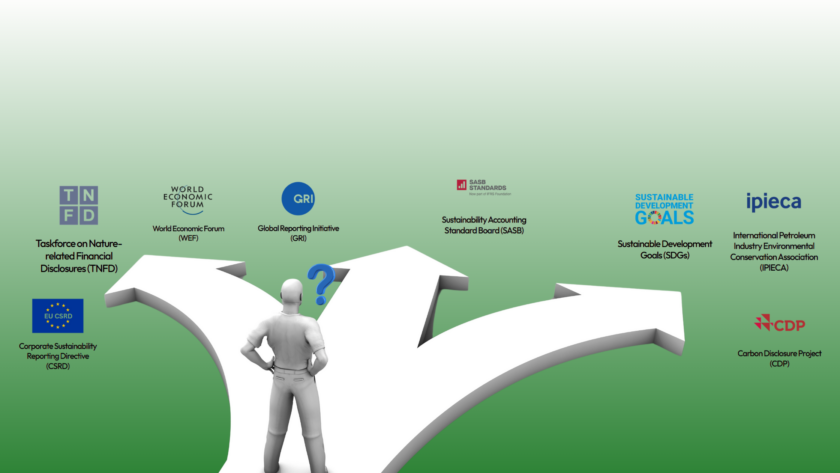
Let’s face it—navigating ESG frameworks in 2025 feels a bit like decoding a foreign language. Between CSRD, GRI, SASB, TCFD, ISSB, BRSR, and now TNFD, most companies are asking the same question: Which one actually fits our business—and how do we keep up without losing…
According to a February 2024 study by the International Federation of Accountants (IFAC), a remarkable 98% of the world’s largest companies now issue sustainability reports—an increase from 91% in 2019—and 69% of them obtained assurance on at least some ESG disclosures ifac.org. These figures highlight an unmistakable shift: ESG reporting is not just widespread—it’s mature…
The Future is Circular: Key Trends Driving the Transition from Linear to Circular Systems
The traditional economic model — often described as linear — follows a straightforward flow: take resources, make products, and dispose of them after use. While this model fueled industrial growth and mass consumption over the last century, it is increasingly unsustainable. Resources…
The Strategic Importance of Human Rights Due Diligence (HRDD)
Respecting human rights across supply chains has become a strategic and legal necessity for businesses worldwide. With increasing scrutiny from investors, consumers, regulators, and civil society, companies are expected to demonstrate accountability for the social and ethical impacts of their operations.
Human Rights Due Diligence (HRDD) provides a…
Australia Takes a Bold Step Towards Climate Transparency with New Sustainability Reporting Law
Australia has taken a significant leap forward in corporate sustainability with the finalization of a groundbreaking law aimed at enhancing transparency in climate-related financial reporting. The Treasury Laws Amendment (Financial Market Infrastructure and Other Measures) Act 2024 has officially received Royal Assent, marking…
ESG reporting has emerged as a critical component of corporate strategy and stakeholder engagement. With increasing regulatory scrutiny, investor expectations, and societal demand for transparency, ESG disclosures now play a central role in assessing an organization’s long-term sustainability and ethical performance.
As the scope and complexity of ESG data continue to expand, organizations are facing growing…
The CSRD Omnibus is a significant update to the Corporate Sustainability Reporting Directive (CSRD), aimed at simplifying and refining sustainability reporting requirements for businesses operating within the European Union (EU). As the regulatory landscape evolves, it is crucial for companies to stay informed about these changes and understand their implications for corporate sustainability disclosure.
CSRD Omnibus…
Environmental, Social, and Governance (ESG) reporting has become a critical aspect of corporate transparency, enabling businesses to showcase their commitment to sustainability, social responsibility, and ethical governance. With investors, regulators, and consumers demanding greater transparency, organizations are under increasing pressure to integrate ESG considerations into their corporate strategies and financial disclosures.
While ESG reporting presents significant…